
How to Change a Light Bulb: 11 Easy Steps Anyone Can Follow
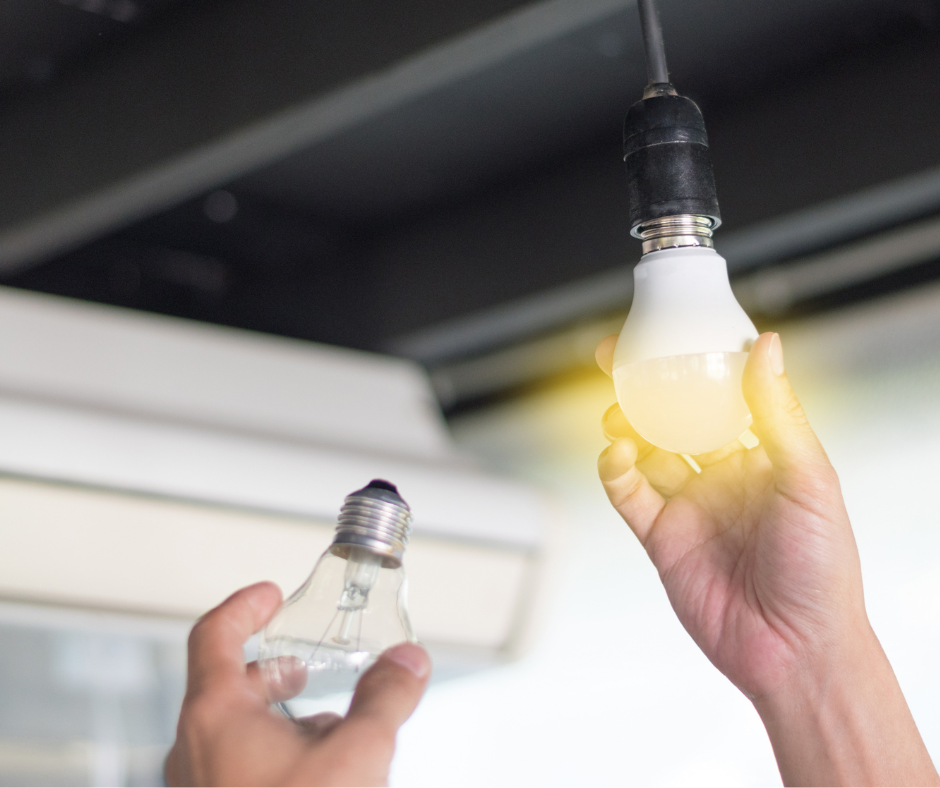
Changing a light bulb might seem like the simplest home maintenance task—but if you’ve never done it before, it can feel a little intimidating. The good news? It’s incredibly easy once you know the steps. Here’s a quick, clear, and safe guide to help you replace a bulb like a pro.
1. Turn Off the Power
Always start by switching off the light. If you want to be extra safe, flip the breaker off—especially if you’re dealing with a ceiling fixture or any bulb near water.
2. Let the Bulb Cool Down
Light bulbs can get extremely hot. Wait a few minutes to avoid burning your fingers.
3. Make Sure You Have the Right Replacement Bulb
Check:
Wattage
Base size (e.g., E26, GU10)
Bulb shape
Brightness and color temperature
Matching these ensures proper lighting and prevents electrical issues.
4. Gather What You Need
You may need:
A new bulb
A step stool or ladder
A cloth or gloves if the old bulb is hard to grip
5. Remove the Old Bulb
For standard screw-in bulbs, turn counterclockwise.
For two-prong or bayonet bulbs, push in gently and twist.
6. Check the Socket
Look for:
Dust
Burn marks
Loose sockets
If anything looks damaged, call an electrician.
7. Install the New Bulb
Gently screw the bulb in clockwise.
Don’t over-tighten—you only need it snug enough to make contact.
8. Turn the Power Back On
Switch the fixture back on (or flip the breaker).
If the bulb doesn’t light, turn the power off again and check the connection.
9. Dispose of the Old Bulb Properly
LEDs & Incandescents: Regular trash
CFLs (the swirly ones): Must be recycled because they contain mercury
Most hardware stores accept light bulb recycling.
10. Upgrade While You’re At It
Switching to LED bulbs is smart because they:
Use less energy
Last much longer
Produce less heat
Cost less long-term
11. If Something Feels “Off,” Call a Professional
Flickering lights, burning smells, or repeated bulb failures are signs of:
Faulty wiring
Loose connections
Voltage problems
These need an electrician—not a new bulb.
Final Thoughts
Changing a light bulb is quick and easy, but doing it safely and correctly makes all the difference. Whether you’re upgrading your lighting or just replacing a burnt-out bulb, following these steps ensures a smooth and stress-free process.
